

Your child has been practicing, and now a coach has mentioned a tournament. It’s normal to wonder what happens when you arrive, what to pack, and how much of the action you’ll understand from the bleachers.
The good news: you don’t need to know every rule before your child’s first wrestling tournament. A little preparation, and a coach to ask, can make the day feel more manageable.
How do youth wrestling tournaments work?
A tournament brings wrestlers together for individual matches. Organizers group competitors by factors such as age, weight, and sometimes experience level. Then they arrange matches in a bracket, pool, or another format.
The details vary. Some events use round-robin pools, where each wrestler faces several opponents. Others use elimination brackets, where a loss can affect the path through the tournament. Match length, weigh-ins, clothing rules, and how wrestlers are grouped also depend on the event.
Before registering, check the event information and ask your coach:
- What division will my child enter?
- When and where are weigh-ins?
- What competition clothing and equipment are required?
- How many matches might a wrestler have?
- Which rules and scoring system does the event use?
If you’re searching for youth wrestling tournaments near me, your coach or local club is often a good place to start. They can help you find events that fit your child’s age, experience, and readiness. Confirm details with the event organizer rather than assuming every tournament follows the same format.
What happens during a match?
Many youth events use folkstyle wrestling, the style commonly seen in U.S. schools. Under current NFHS high school folkstyle rules, the basic scoring works like this:
- Takedown: 3 points. A wrestler takes an opponent from the standing position to the mat and establishes control. NFHS changed the high school value from two points to three in the 2024–25 season.
- Escape: 1 point. A wrestler gets away from an opponent’s control and returns to a neutral position.
- Reversal: 2 points. A wrestler moves from the bottom position to control the opponent.
- Near fall: 2, 3, or 4 points. Points are awarded when a wrestler holds an opponent in a scoring position for the required time.
- Pin: the match ends. A pin, also called a fall, wins the match.
- Technical fall: the match ends at a 15-point lead. Under NFHS high school rules, a wrestler wins by technical fall when they build that margin.
Don’t worry if you can’t follow every call from the stands. Watch the referee’s signals and the scoreboard, and let the coach explain anything your child wants to review afterward. Youth and club events may modify high school rules, so ask which rules apply before the matches begin.
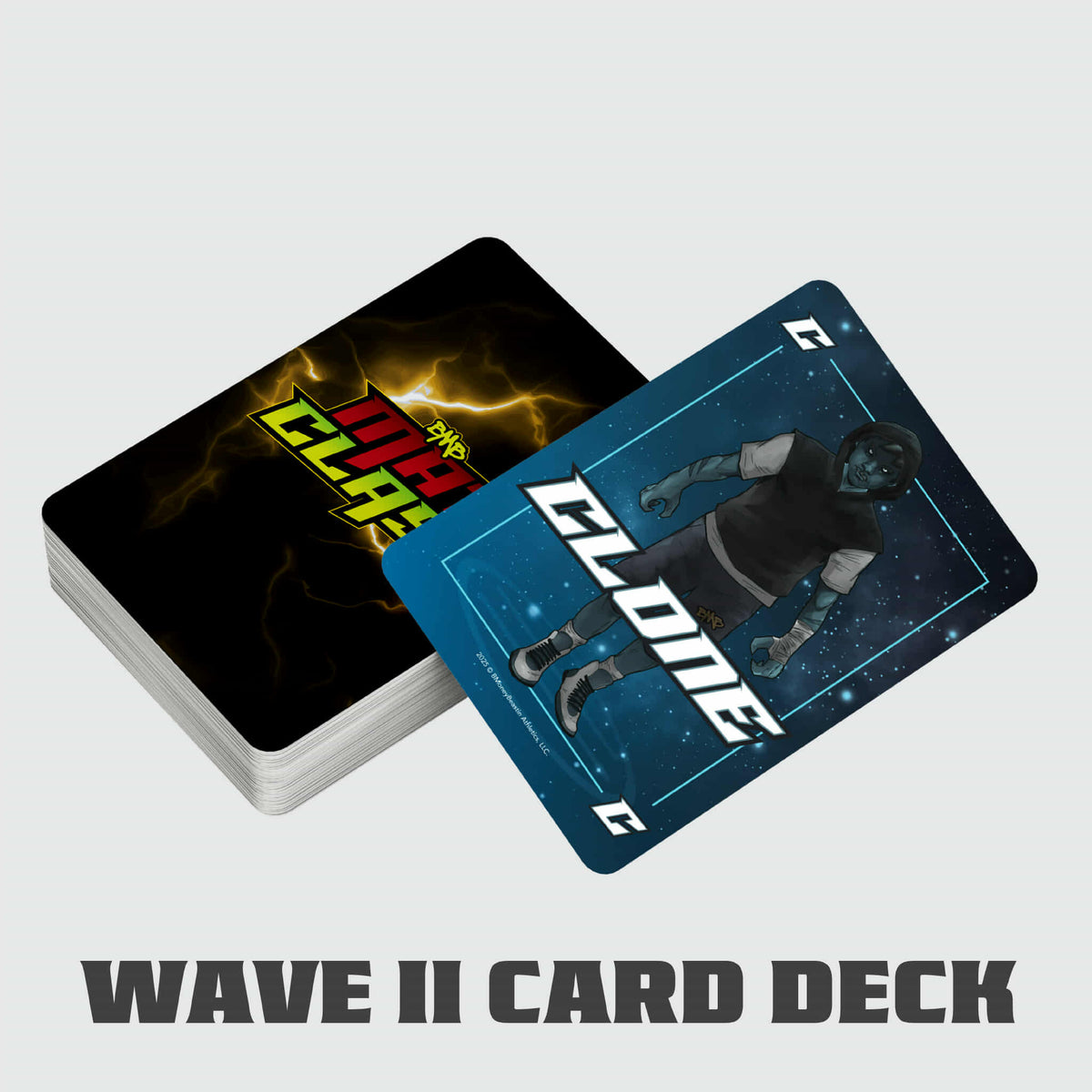
A deck of strategy cards can also help young wrestlers picture scoring and positions between matches. The MAT CLASH card game mirrors folkstyle concepts like takedowns, escapes, reversals, and pins.
Wrestling tournament checklist: what to pack
A simple checklist can help you avoid a last-minute scramble. Follow the event’s instructions first, since requirements can differ.
For your wrestler:
- Singlet or other approved competition clothing
- Wrestling shoes
- Headgear, if required by the event or division
- Warm-up clothes to stay comfortable between matches
- Membership card, if the event requires one
- Water bottle and easy-to-eat snacks
For the day:
- A bag for gear and a way to keep clean and used clothing separate
- Phone charger
- A layer of clothing for cool gyms
- Patience: tournament days can be long
Ask the coach to check the clothing and equipment list before you buy anything. Some events have specific rules about singlets, shorts, or other approved attire. Pack your child’s gear the night before and confirm the venue’s weigh-in and arrival instructions.

Individual gear availability can change, so check the MAT CLASH store for what’s currently in stock. Singlets, fight shorts, knee sleeves, and gear bags are also available through custom team gear orders and team stores; custom team orders have a 15-item minimum and custom singlets start at $40 each.
These are optional shopping choices, not requirements for joining a team. Ask your coach what your child needs before placing an order. Individual merchandise typically ships within 72 hours of purchase, with transit time additional. Custom team gear is a separate order, has a 15-item minimum, and typically takes 3–4 weeks from manufacturing to delivery; estimates aren’t guaranteed.
Between matches: keep the day steady
Wrestlers may have more than one match during the day, with waiting time in between. Stay near the coach’s team area, listen for bout numbers or announcements, and keep your child’s warm-up clothes handy. Offer water and familiar snacks, and give them a chance to sit and rest.
Schedules can shift as matches finish, so bring patience and check with the coach before leaving the gym or stepping away from the team area. A quiet activity or a book can help pass the time between bouts.

Supporting your wrestler through wins and losses
A match can bring excitement, nerves, disappointment, or all three. Your child may win, lose, or feel unsure about how they wrestled. Each result is one moment, not a measure of their value or potential.
After a match, keep the first conversation simple and encouraging. You might say, “I’m glad I got to watch you,” or ask, “What’s one thing you want to ask your coach about?” Give your child room to feel what they feel. The coach can help turn a match into a useful next step.
Progress takes time. For a beginner, showing up, listening, and trying again are meaningful parts of learning.
What costs should parents expect?
Tournament registration usually has an event fee. Some competitions also require a current AAU or USA Wrestling membership. The event sets its own fees and requirements, so check the registration page or ask the coach before signing up.
Those costs are separate from training at the MAT CLASH Training Center at East Ridge High School. The Training Center has no registration, training-cycle, or drop-in fees, and donations are never required to participate. Required athletic memberships and event costs are separate. If those costs create a barrier, families can talk with a coach about available support. Learn more about free Training Center training.
One manageable first step
A first tournament can feel like a lot to take in. You can make it easier by checking the event rules, asking the coach what to pack, and focusing on helping your child feel prepared, not on predicting the result.
MAT CLASH is a separate business that sells wrestling gear. Beginning November 1, 2026, MAT CLASH will contribute 50% of profits from gear orders to The On the Mat Foundation, the nonprofit it supports. A gear purchase is a commercial transaction, not a donation.